Silvassa – The Green Capital of Dadra & Nagar Haveli
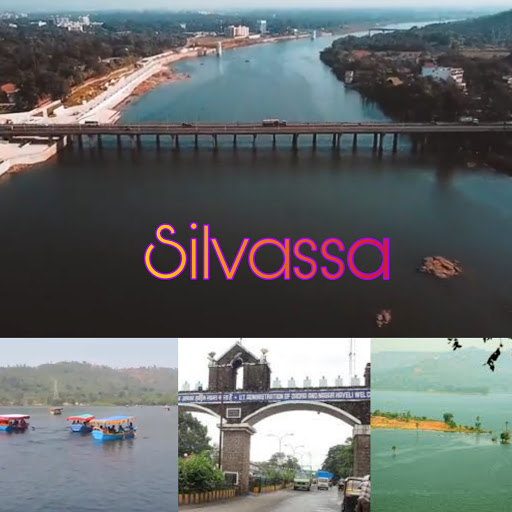
Silvassa Travel Guide 2026 covers If you’re looking for a peaceful destination surrounded by lush forests, sparkling lakes, waterfalls, wildlife, and rich tribal culture, Silvassa deserves a place on your travel bucket list. Nestled on the banks of the Daman Ganga River, Silvassa is the capital of the Union Territory of Dadra and Nagar Haveli and Daman and Diu. Located between Gujarat and Maharashtra, this beautiful town is just around 170 km from Mumbai and about 130 km from Surat, making it a perfect weekend getaway.
Unlike crowded hill stations and commercial tourist destinations, Silvassa offers a refreshing blend of nature, heritage, and relaxation. From scenic gardens and wildlife sanctuaries to tribal museums, adventure activities, and peaceful lakes, the city has something for every traveler.
Today, Silvassa has become one of western India’s fastest-growing eco-tourism destinations. Every year, thousands of tourists visit the region to enjoy its clean environment, green landscapes, luxury resorts, and unique tribal traditions.
Whether you’re planning a family vacation, a romantic weekend, an adventure trip, or a photography tour, Silvassa promises an unforgettable experience.
Where is Silvassa Located?
Silvassa is situated on the banks of the Daman Ganga River in western India. It lies between the states of Gujarat and Maharashtra, making it easily accessible by road from Mumbai, Surat, Vapi, Nashik, and Ahmedabad.
Quick Facts
- State/UT: Dadra & Nagar Haveli and Daman & Diu
- Capital: Silvassa
- Nearest Railway Station: Vapi (18 km)
- Nearest Airport: Surat Airport (Approx. 125 km)
- Best Time to Visit: October to March
- Languages Spoken: Hindi, Gujarati, Marathi, English, Warli
- Famous For: Tribal Culture, Nature, Wildlife, Gardens, Lakes, Resorts
History of Silvassa
The history of Silvassa is a fascinating journey through tribal heritage, Rajput kingdoms, Maratha rule, Portuguese administration, and India’s freedom movement.
Long before modern civilization reached the region, the forests of Dadra and Nagar Haveli were home to several indigenous tribes, including the Warli, Dhodia, Kokna, Kathodi, Dubla, and Koli communities. These communities lived close to nature and developed a unique culture that continues to thrive even today.
Historical records from the 11th to the 13th century are limited. However, historians believe the region was primarily ruled by local tribal chiefs before the arrival of the Rajputs.
Rajput Rule
In 1262, a Rajput ruler defeated the local Koli chiefs and established the Kingdom of Ramnagar. This marked the beginning of organized administration in the region.
Later, in 1360, Rana Dharmashah I shifted his capital from Nagar Haveli to Nagar Fatehpur, which became an important political center.
Maratha Rule
During the 17th and 18th centuries, western India witnessed continuous battles between the Rajputs and the expanding Maratha Empire.
Around 1739, the Marathas gained control over Nagar Haveli and neighboring territories. Under Maratha administration, agriculture and local trade flourished, and the region remained under their control for several decades.
Portuguese Rule
In 1779, after prolonged negotiations with the Marathas, the Portuguese acquired Nagar Haveli as compensation for naval assistance and political cooperation.
For nearly 175 years, Silvassa remained under Portuguese administration. During this period, churches, administrative buildings, and European architectural influences became visible across the region.
Liberation of Dadra and Nagar Haveli
Although India gained independence on 15 August 1947, Dadra and Nagar Haveli remained under Portuguese control.
Freedom fighters, local residents, and volunteers from organizations such as the United Front of Goans (UFG), Azad Gomantak Dal, and National Movement Liberation Organization (NMLO) launched a coordinated movement to liberate the territory.
On 2 August 1954, Portuguese rule officially ended after local freedom fighters successfully liberated Silvassa and the surrounding region.
This remains one of the proudest chapters in the history of Dadra and Nagar Haveli.
Becoming Part of India
Following its liberation, Dadra and Nagar Haveli functioned under local administration until 1961, when it officially became part of the Republic of India as a Union Territory.
On 26 January 2020, the Government of India merged Dadra and Nagar Haveli with Daman and Diu to form a single Union Territory named Dadra and Nagar Haveli and Daman and Diu, with Silvassa continuing as its capital.
Why Visit Silvassa in 2026?
Silvassa has evolved into one of western India’s most attractive eco-tourism destinations. Visitors come here to experience:
- Beautiful lakes and rivers
- Lush green gardens
- Tribal heritage and museums
- Wildlife parks and safari experiences
- Luxury resorts and riverside stays
- Adventure activities including kayaking and boating
- Local Warli art and handicrafts
- Delicious Gujarati, Maharashtrian, and tribal cuisine
Its peaceful atmosphere, clean surroundings, and excellent connectivity make it an ideal destination for families, couples, solo travelers, and nature enthusiasts.